


Solar Photovoltaic Energy
Interested in switching to solar photovoltaic energy? Visit our dedicated renewables site for more information!
Visit Gregor RenewableAlternatively you can fill in our Solar PV Pre-Survey Questionnaire today, and one of our renewables surveyors will get back to you soon!
Go to questionnaireWhat does Solar PV mean and when was it discovered?
Solar Photovoltaics or solar PV is a system for converting the sun’s (‘solar’) light (‘photo’) into a form of electrical energy with voltage (‘voltaic’).
Solar PV modules are made up with a positively doped semiconductor material and a negatively doped semiconductor material, typically silicon (or sand – the most abundant material on earth). When sunlight hits the module, a stream of electrons starts to flow from the positive to the negative material, creating an electrical current.
This principle was discovered by Alexandre-Edmond Becquerel in 1839.
If you are interested in having a solar PV system installed or maintained, don’t delay, call Gregor today on 0117 935 2400 and ask to speak to our Renewables team.
Benefits of Solar PV
- Use sunlight to generate electricity
- Save on your energy bills
- Reduce your carbon footprint
- Smart Export Guarantee available
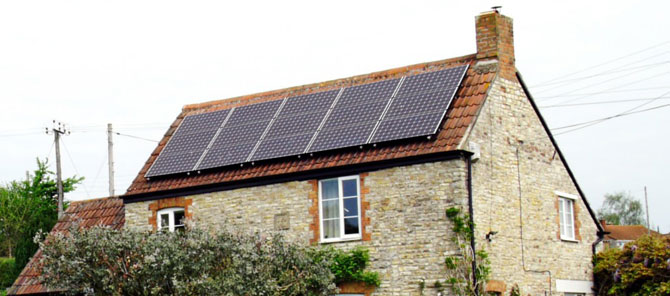
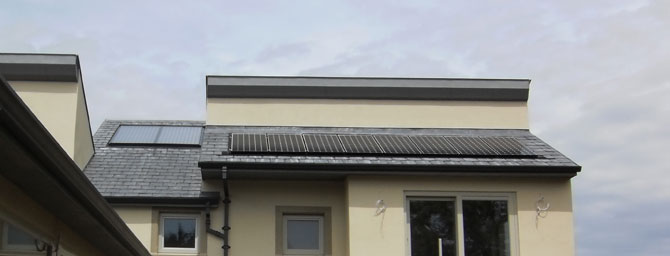
Solar Photovoltaic Panels are a fantastic renewable technology that let you turn sunlight into electricity for your home. They help you to save on your energy bills and reduce your carbon footprint.
Under the terms of the new Smart Export Guarantee, you also stand to be paid for exporting spare solar power back to the grid.
From April 2022, solar PV panels will carry 0% VAT for five years, typically saving you hundreds of pounds on your initial installation costs.
To find out more about Solar PV, please see our Solar Photovoltaic Energy FAQs page.
Save on your energy bills
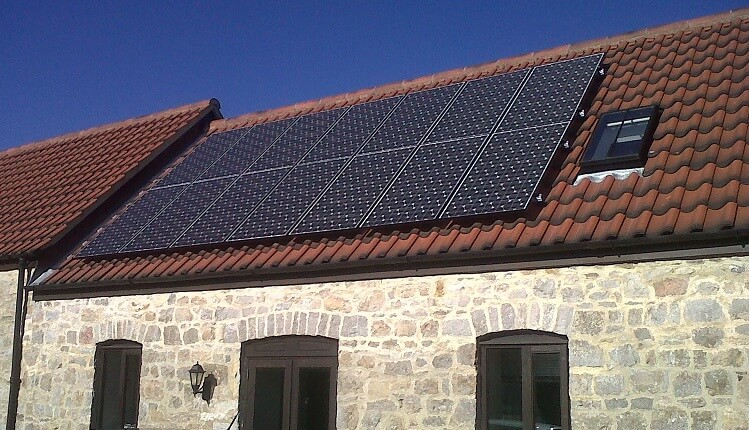
Install a Solar Photovoltaic System and you save on your electricity bill by reducing the electricity that you have to buy-in from a 3rd party supplier. The amount you save depends on your installation’s output (see below) and your usage of the electricity it generates (see our Electricity Storage Solutions page).
The Energy Savings Trust has estimated that a 4 kWp system in the South of England can generate around 3,700 kWh a year – roughly equivalent to a typical household’s electricity needs – and save nearly 2 tonnes of carbon dioxide. Find out more about these figures.
Contact Gregor about Solar Photovoltaic
For all customer enquiries about solar PV systems, don’t delay, call Gregor today on 0117 935 2400 and ask to speak to our Renewables team. We look forward to your call!
Solar PV Panels Installation Enquiries
Interested in having Solar PV panels installed at your property? Fill in our Solar PV Pre-Survey Questionnaire today, and one of our renewables surveyors will get back to you soon!